
In a world where the pace only seems to increase and the expectations for our performance never end, it can feel like we’re constantly working overtime. But what if the cause of our exhaustion isn’t just about doing too much – it’s about doing the wrong thing? The ancient Chinese philosophy of Yin and Yang reveals that the balance between calm and activity is the key to a harmonious life. So are you in balance, or are you trapped in an imbalance that drains your energy?
Energies in Balance and Imbalance in Modern Life
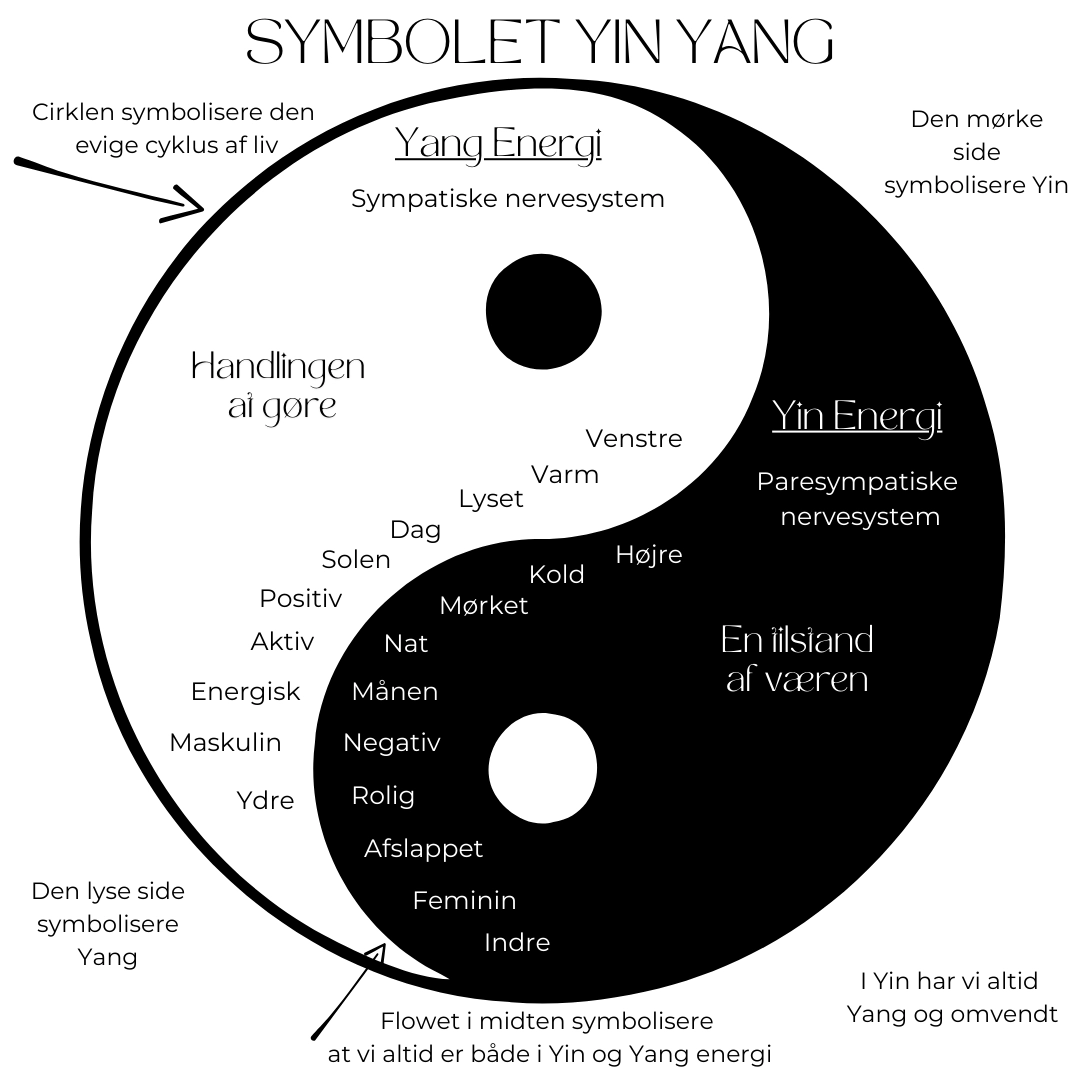
For millennia, the two complementary energies, Yin and Yang, have been central elements in Chinese philosophy, and their influence is also felt in modern practices such as yoga. These two forces do not simply represent abstract principles, but directly affect our physical and mental states. They reflect our inner balance, and in a dynamic interaction, they can create both harmony and imbalance in our lives. This is clearly seen in the body’s nervous system: Yin is associated with the parasympathetic system, which calms and restores, while Yang reflects the sympathetic system, which promotes activity and response to external stimuli.
Yin and Yang in the World of Yoga
Yoga is a concrete example of how Yin and Yang constantly influence each other. In a Yin yoga class, characterized by slow, static exercises, the focus is on calm and introspection – qualities that are typically Yin. Here, the practitioner turns their attention inward to create a deeper connection with themselves. But even this seemingly passive practice contains elements of Yang. The long holds of the poses stretch the connective tissue and can create physical discomfort, which activates the body’s awareness. This is a classic example of how Yin and Yang always exist side by side – even in the quietest moments.
The famous Yin and Yang symbol illustrates this perfectly. The dark Yin field contains a bright core of Yang, and vice versa. This symbol emphasizes that the energies are not simply opposites, but two parts of a whole that are inseparable. Their interaction is necessary to maintain balance in both body and mind.
Society’s Bias Against Yang Energy
Although both Yin and Yang are equally important for our well-being, in many modern societies we see a predominance of Yang energy. Our everyday lives are characterized by a constant search for productivity, results and success, often measured in external achievements and material values. We work hard, exercise intensively and try to balance a busy social life – all in the pursuit of external goals. This prioritisation of Yang energy can have serious consequences for our health, as the body and mind are not given sufficient time to recover and build energy – something that Yin energy stands for.
This imbalance risks depleting us of vital resources. In Chinese medicine, there are concepts such as chi and Jing – the fundamental life energy that influences our vitality and longevity. When we constantly push ourselves without breaks to recharge, we can deplete these energy reserves. This results not only in physical exhaustion, but also in mental and emotional consequences such as stress, anxiety and a reduced quality of life.
Awareness of Imbalance and Possible Solutions
Many of us live in this imbalance between Yin and Yang without being aware of it. We get used to a fast pace and feel constantly pressured to perform. But there are ways to restore balance. Yoga, meditation, naturopathy and practices such as Yoga Nidra offer the opportunity to retreat, relax and recharge our energy. These techniques have become extremely popular in the West for a reason; they give us a much-needed respite from an overweight Yang existence.
Understanding and incorporating the dynamics of Yin and Yang into our everyday lives is essential to achieving harmony and health. In a world where Yang often dominates, it becomes essential to find space for Yin – for recovery, presence and inner peace. Ultimately, it is this balance that will help us maintain a healthy and harmonious life.
Going forward, we will delve deeper into the specific imbalances that may arise and how we can identify and restore our inner harmony through specific tools and practices.
Published by Maria Parelius